
Leonard Bernstein 伯恩斯坦 -《触摸音符.伯恩斯坦记录片》(Reaching for the Note)
电驴资源
| 用户共享的电驴资源列表 | |
|---|---|
| Leonard.Bernstein.-.[Reaching.for.the.note].(AVI).avi | 1.11 GB |
| 1.11 GB | |
电驴资源简介
简介:
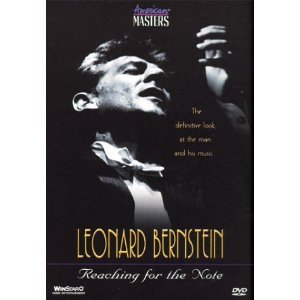
这是PBS发行的American Masters系列纪录片中的一集,Youtube上很多伯恩斯坦排练的短片均来自这个纪录片,片中所有引用的背景音乐,全是伯恩斯坦作曲或指挥的,值得喜爱的人们收藏。但没有字幕,英语不是很难,大家盲听应该不是问题。
以下是引用Amazon里编辑的评语:
Originally aired on PBS's American Masters series, this evocative biography of the American composer, conductor, and de facto musical evangelist Leonard Bernstein offers a compelling balance of musical scholarship and personal insight. It's a fitting approach to the brilliant--and emotional--life and art of Bernstein, who elevated Broadway musical theater, demystified and democratized classical music for two generations of American children, and brought a true New Yorker's vigor and directness to his conducting.
Writer-director Susan Lacy establishes the film's sympathetic tone in its opening shots of Bernstein's funeral cortege as it passed along Manhattan streets in 1990. Underscoring the footage is the elegiac second movement of Beethoven's Seventh Symphony, the final piece conducted by Bernstein at his final performance months earlier at Tanglewood. Scenes from that last concert (and a return to that slow, funereal march) are the inevitable conclusion of Lacy's film, which finds ample drama over the course of approximately two hours.
Lacy traces the arc of Bernstein's career from his earliest triumphs as a young conductor through his Broadway successes (culminating in West Side Story), his historic network television outreach, the frustrations encountered over his serious compositions (often derided, ultimately vindicated), and his autumnal work abroad conducting the Vienna Philharmonic. Bernstein's private demons--anguish over the tradeoff between a conductor's glory and a composer's productivity, the ridicule invited by his impassioned political activism, the conflict between his devotion to his family and his bisexuality, bouts of depression suffered in his later years--are addressed as well.
Excellent archival footage and a literate script are enhanced by interviews with his brother and children; collaborators including Jerome Robbins, Isaac Stern, and Stephen Sondheim; and conductors including John Mauceri, Seiji Ozawa, and Michael Tilson Thomas. --Sam Sutherland